Development
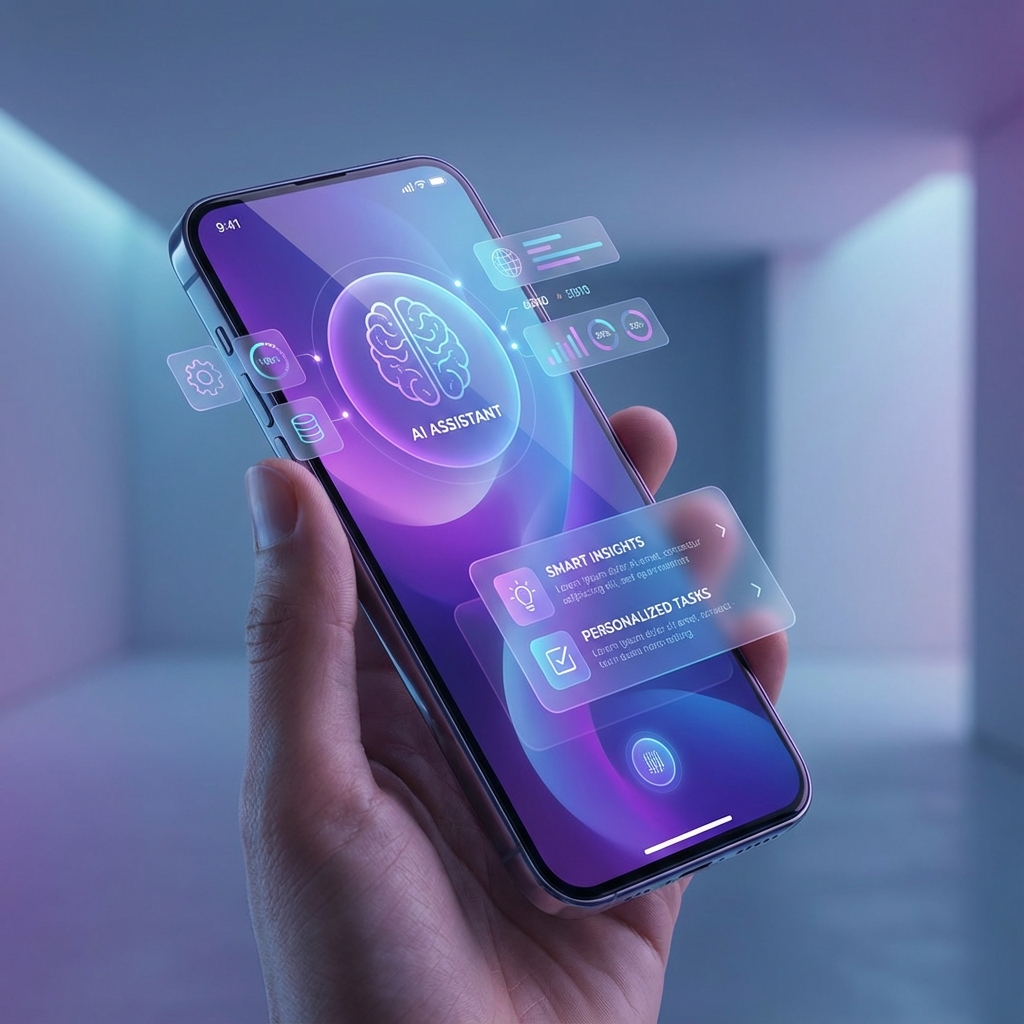
Mobile applications are increasingly leveraging AI to deliver smarter, more personalized experiences. This guide covers best practices for integrating AI into mobile apps.
AI Integration Approaches
1. Cloud-Based AI
Leverage cloud APIs for powerful AI capabilities without device constraints.
2. On-Device AI
Use mobile-optimized models for offline functionality and improved privacy.
3. Hybrid Approach
Combine cloud and on-device AI for the best of both worlds.
Key Considerations
- Battery consumption
- Network connectivity
- Model size and performance
- User privacy
Popular Use Cases
AI enhances mobile apps through features like image recognition, natural language processing, personalized recommendations, and predictive text.
"The future of mobile apps is AI-powered, personalized, and context-aware." - Lisa Anderson
Development Tools
Explore frameworks like TensorFlow Lite, Core ML, and ML Kit for mobile AI development.
Testing and Optimization
Thoroughly test AI features across devices and network conditions to ensure reliable performance.
Conclusion
AI integration is transforming mobile app development. Start small, test thoroughly, and iterate based on user feedback to create exceptional AI-powered mobile experiences.